
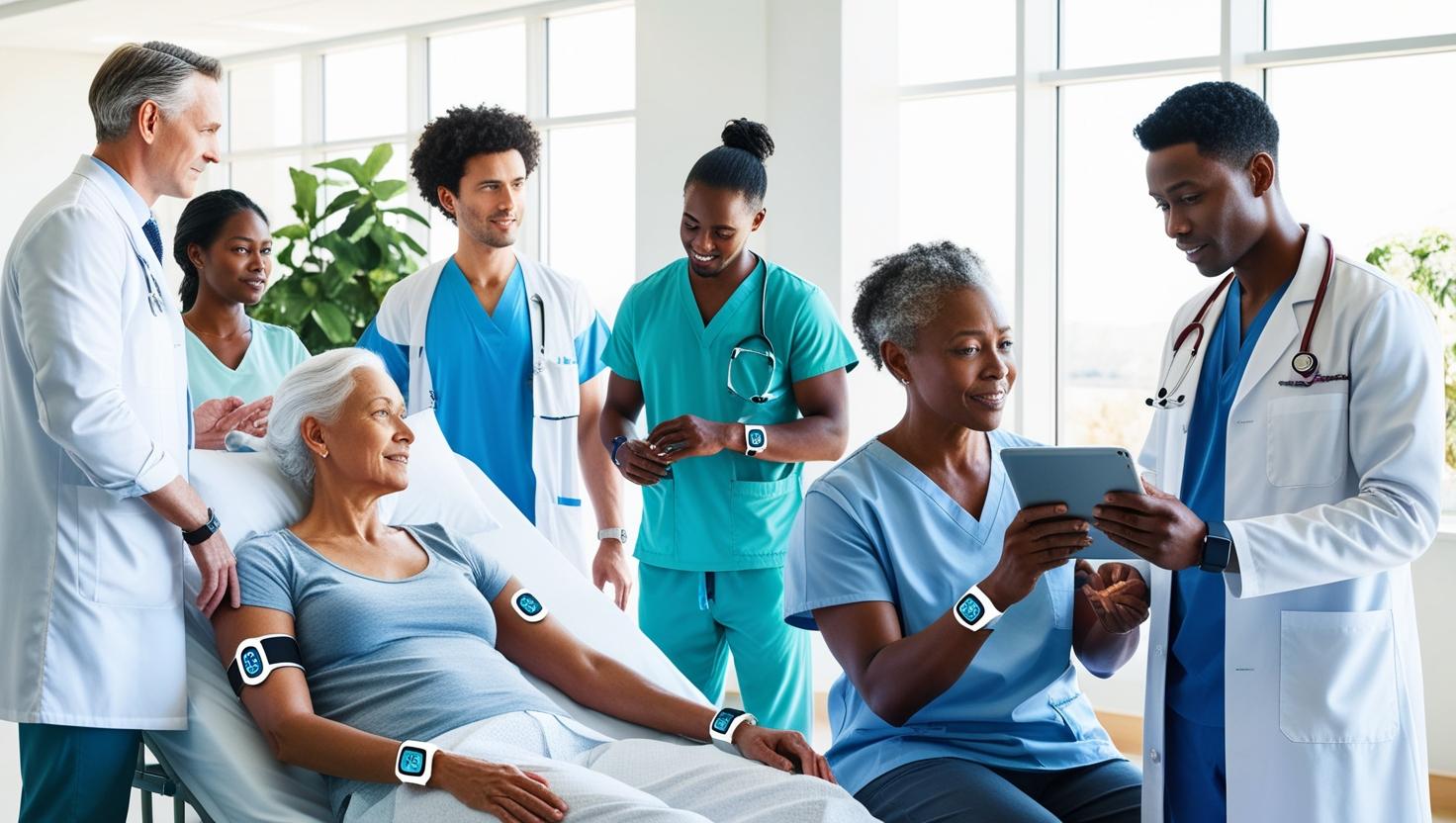
Wearable technology is transforming healthcare by helping people and medical professionals monitor health data, track recovery, and support more personalized care. From smartwatches and continuous glucose monitors to wearable ECG devices and smart patches, these innovations are creating new opportunities for remote patient monitoring and preventive healthcare.
As healthcare providers adopt connected medical devices, wearable technology can help improve access to health information, support clinical decision-making, and make patient monitoring more convenient. However, medical wearables differ in their capabilities, and their readings should be interpreted according to the device's intended use.
What Is Wearable Technology in Healthcare?
Wearable technology in healthcare refers to electronic devices worn on the body that measure, record, or transmit health-related information. Depending on the device, these technologies can monitor heart rate, physical activity, glucose levels, heart rhythm, sleep patterns, and other physiological signals.
Some wearables are designed for general wellness, while others are regulated medical devices intended for specific clinical purposes. When integrated with appropriate healthcare systems, they can support remote patient monitoring, rehabilitation, and ongoing health management.
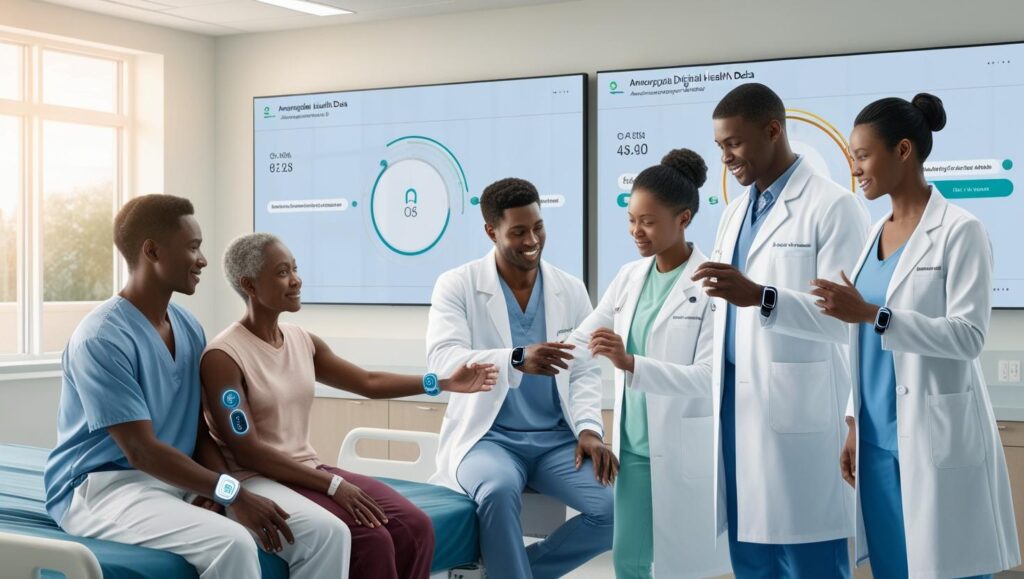
1. Smartwatches with Health Monitoring
Smartwatches have evolved beyond fitness tracking. Devices like the Apple Watch and Fitbit now feature ECG monitoring, blood oxygen saturation (SpO2) tracking, and irregular heart rhythm detection. These features empower users to detect early signs of cardiac issues and seek timely medical help.
2. Continuous Glucose Monitors (CGMs)
For diabetic patients, CGMs such as Dexcom and FreeStyle Libre offer a non-invasive way to monitor blood sugar levels around the clock. These devices eliminate the need for frequent finger pricks and enable better glycemic control through smartphone integration and real-time alerts.
3. Wearable ECG Monitors
Portable ECG monitors like the KardiaMobile provide clinical-grade heart rhythm analysis. These wearables help cardiologists remotely monitor patients, reducing the need for frequent hospital visits and enabling prompt diagnosis of arrhythmias or atrial fibrillation.
4. Smart Clothing and Textiles
Innovative startups are integrating sensors into fabrics to monitor respiration, posture, and movement. These "smart clothes" are especially valuable in post-operative recovery and physical therapy, offering data-driven insights into patient progress.
5. Biosensors and Patches
Disposable biosensors like the VitalPatch can track multiple vital signs—heart rate, respiratory rate, temperature, and activity levels. Hospitals use these to monitor patients remotely, reducing strain on in-patient resources and enhancing post-discharge care.
6. Neurological Wearables
Devices like the Muse headband or Emotiv EEG headsets are unlocking new possibilities in mental health. These wearables track brain activity to assist in managing stress, anxiety, and even early signs of neurological disorders such as epilepsy or Parkinson’s.
7. Wearables for Elderly Care
Smart insoles and fall-detection wearables are transforming eldercare. They alert caregivers in real time about unusual motion patterns or falls, ensuring timely assistance and better quality of life for senior citizens.
ow Wearable Technology Supports Remote Patient Monitoring
Remote patient monitoring (RPM) uses connected devices to collect health-related information outside conventional healthcare facilities. Depending on the care plan, wearable devices can transmit measurements to a digital platform for review by authorized healthcare professionals.
A typical workflow includes:
- Data collection: A wearable records selected health measurements.
- Data transmission: The device sends information to a compatible phone, gateway, or healthcare platform.
- Data review: Software organizes measurements and may flag readings that meet configured criteria.
- Clinical follow-up: Healthcare professionals assess relevant information and decide whether further action is needed.
The Role of Asset Tracking in Healthcare Innovation
As hospitals adopt more wearable devices, connected monitors, and mobile diagnostic equipment, keeping track of physical assets becomes increasingly important. Missing devices, inefficient equipment allocation, and limited visibility into utilization can create operational challenges.
Healthcare asset tracking systems can help organizations locate and manage equipment such as portable monitors, infusion pumps, wheelchairs, and selected diagnostic devices.
Depending on the requirements, asset tracking may use technologies such as RFID, Bluetooth Low Energy (BLE), barcodes, or other location technologies.
Key benefits can include:
- Operational insights: Use asset data to support inventory planning and equipment management.
- Improved equipment visibility: Help staff locate tagged assets more efficiently.
- Better utilization: Identify underused equipment and improve allocation.
- Reduced search time: Make it easier to find equipment when needed.
- Maintenance support: Associate assets with maintenance records and service schedules.
Frequently Asked Questions
Artificial intelligence (AI) can analyze data collected by wearable devices to identify patterns, flag unusual readings, and support health trend analysis. AI-generated insights should be validated appropriately and should not replace professional medical judgment.
The future of healthcare wearables may include smarter biosensors, AI-assisted data analysis, improved remote patient monitoring, connected medical patches, and better integration with healthcare platforms. These developments could support more personalized care and help healthcare providers manage patient information more effectively.
How Webyug Can Help
At Webyug Infonet LLP, customized asset tracking solutions can help healthcare organizations improve equipment visibility and management.
- Asset Tracking Solution — Explore digital asset tracking capabilities
Conclusion
Wearable technology is no longer a novelty in healthcare—it’s a necessity. It empowers patients, enables personalized care, and enhances clinical outcomes. However, with the influx of smart devices and medical tools, robust asset management becomes a cornerstone of operational efficiency. RFID-based tracking to cloud-based dashboards, we ensure your assets are always accounted for, secure, and utilized effectively. Talk to Webyug today and turn every tap into trust.