
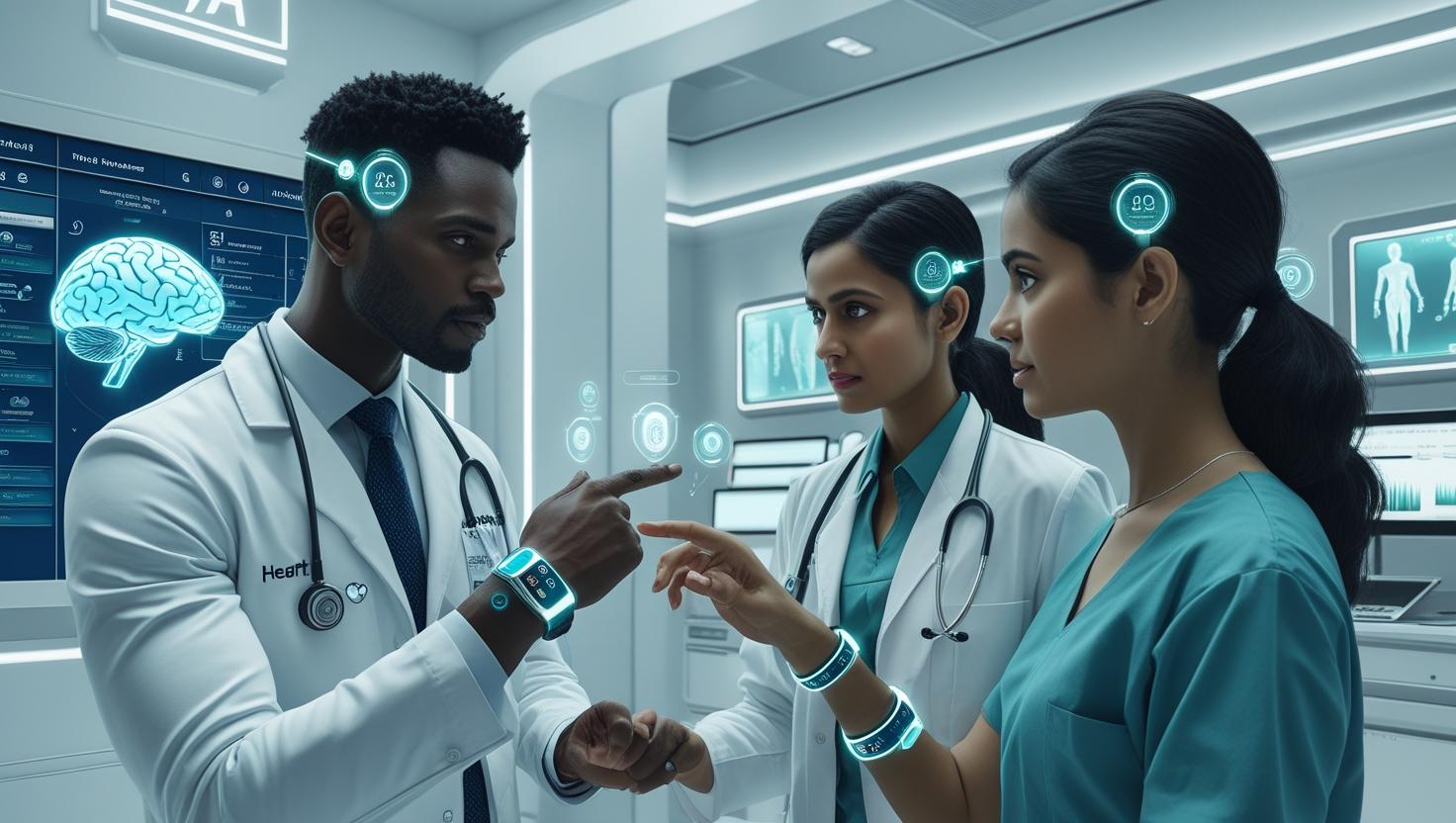
AI-powered wearables are smart devices like watches, bands, or patches that go beyond tracking physical activity. They use artificial intelligence and machine learning to analyze biometric data—heart rate, skin temperature, sleep patterns, and even vocal tone—to detect signs of emotional distress.
These wearables learn from user behavior, enabling personalized insights and alerts. Over time, they become more accurate in identifying mental health triggers and patterns, making them valuable tools for both individuals and healthcare providers.
How AI Wearables Help Mental Health
- Early Detection of Stress & Anxiety
AI can identify stress signals before they escalate, giving users the chance to take preventive actions like mindfulness exercises. - Sleep Quality Analysis
Sleep is crucial for mental well-being. Wearables track sleep cycles and offer suggestions for improvement based on data trends. - Mood Tracking
Some devices analyze speech and facial expressions to detect mood changes, helping users understand their emotional state better. - Therapist Integration
Users can share real-time data with therapists or doctors, improving remote diagnosis and personalized treatment plans. - Daily Wellness Nudges
Devices offer suggestions like breathing techniques or walks at moments of high stress, promoting better self-care.
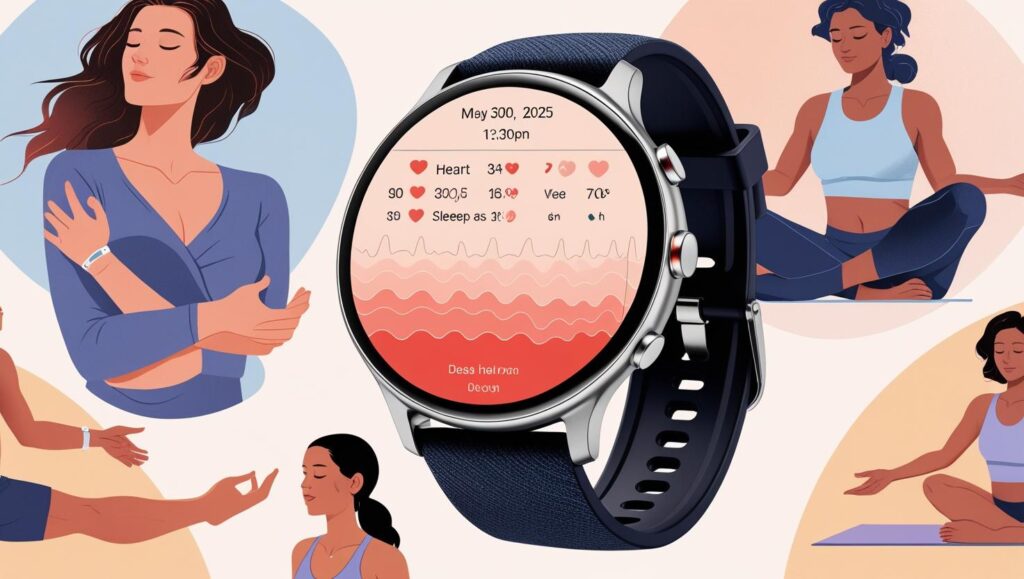
Key Benefits of AI-Powered Mental Health Wearables
- Continuous monitoring: Collect physiological data throughout daily activities.
- Personalized insights: Identify individual patterns rather than relying only on general recommendations.
- Proactive support: Encourage users to address potential stress indicators early.
- Remote care opportunities: Help users and healthcare professionals review trends between consultations.
- Greater self-awareness: Make it easier to reflect on the relationship between sleep, activity, and mood.
- Data-driven wellness: Support informed conversations about well-being and lifestyle habits.
Challenges and Limitations of AI in Mental Health Wearables
Data Privacy and Security
Mental health-related information is sensitive. Wearable platforms should use appropriate encryption, access controls, transparent data policies, and informed consent to protect user information.
Accuracy and Reliability
Changes in heart rate or sleep patterns do not necessarily indicate a mental health concern. AI systems may produce false alerts or miss meaningful changes, so their outputs require careful interpretation.
Algorithmic Bias
AI models may perform differently across populations, devices, and real-world conditions. Testing across diverse users is important for improving fairness and reliability.
Clinical Validation
Wellness insights are not equivalent to a medical diagnosis. Systems intended for clinical use need suitable validation and oversight to establish their safety and effectiveness.
Industry Impact and Future Outlook
The mental health tech market is expected to grow rapidly, with AI wearables playing a key role. Tech giants and startups alike are investing in this space, aiming to make mental health support proactive, accessible, and data-driven.
At the forefront of this innovation is Webyug Infonet LLP, a company dedicated to building intelligent, user-friendly digital solutions. Our team leverages AI and wearable integration to create custom platforms that empower individuals to manage their mental health effectively.
Whether you're a healthcare provider looking to develop AI wearables or a wellness brand seeking digital transformation, Webyug Infonet LLP offers end-to-end tech solutions tailored to your goals.
Frequently Asked Questions
How Webyug Can Help
Webyug Infonet LLP provides digital development solutions that can support businesses exploring connected devices and intelligent applications.
- Custom IoT Solution — End-to-end BLE 5.4, mesh, and LE Audio integrations
Conclusion
AI-powered wearables are not just gadgets—they're lifelines for mental well-being. By turning passive data into actionable insights, they help users stay ahead of their mental health challenges. As this technology evolves, companies like Webyug Infonet LLP are paving the way for a healthier, smarter future.
Partner with Webyug Infonet LLP to shape the future of mental health technology—where care is not only responsive but also predictive.