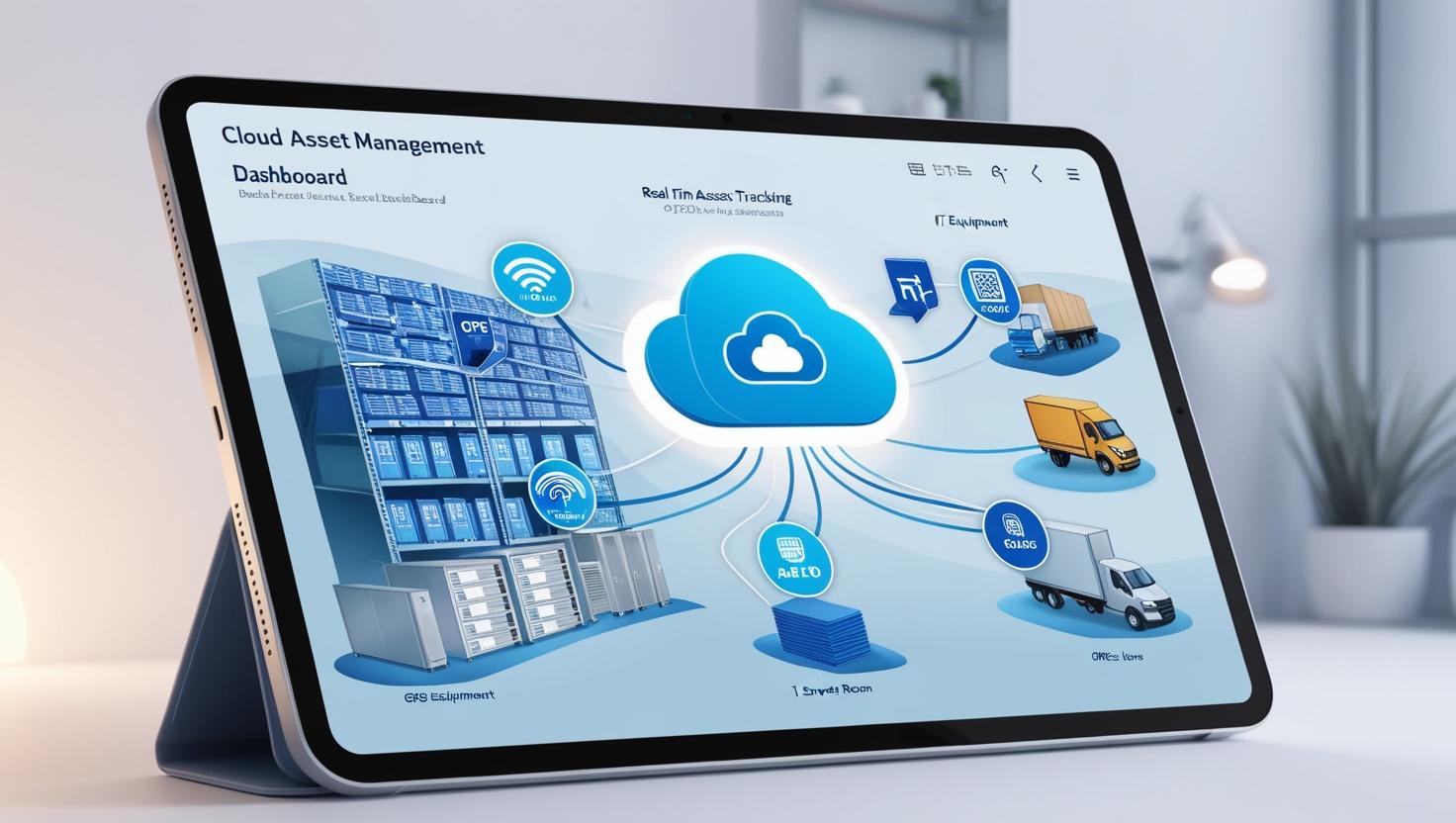
In today’s fast-paced digital world, businesses manage numerous physical and digital assets. Without an effective system in place, assets often go untracked, misplaced, or underutilized. This is where Asset Tracking Solutions powered by Asset Cloud come into play. Designed to improve visibility, reduce loss, and optimize asset usage, these solutions can be a game-changer for organizations of all sizes.
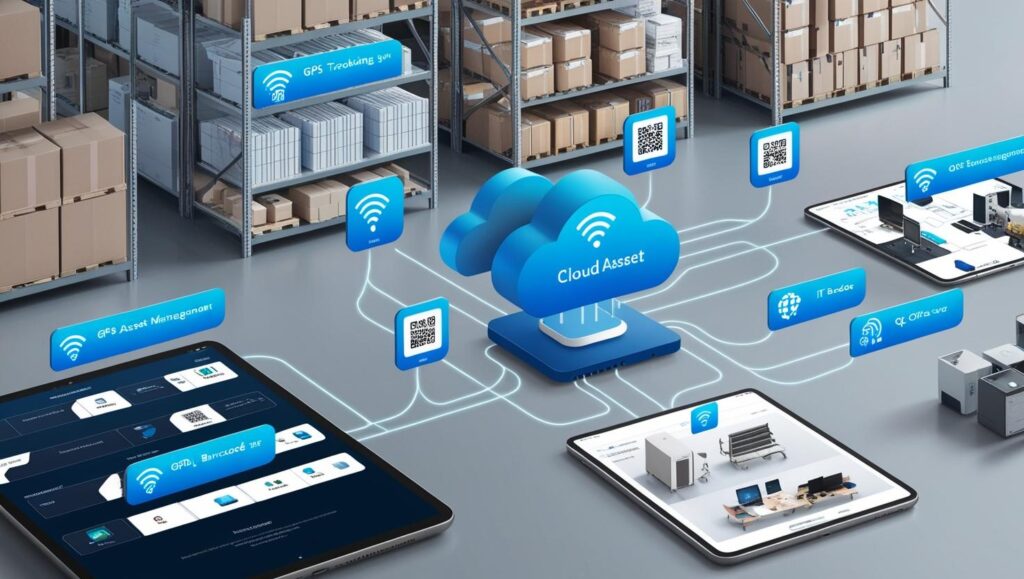
Asset Cloud is a cloud-based approach to asset management that helps businesses centralize asset records, monitor usage, automate workflows, and access information through connected digital platforms. Depending on the solution, it can support barcode and RFID identification, check-in/check-out tracking, maintenance scheduling, and mobile asset management.
- Real-Time Asset Visibility
- Automated Check-In/Check-Out Tracking
- Maintenance Scheduling
- Barcode and RFID Integration
- Mobile App Accessibility
With Asset Cloud, companies can ensure asset accountability, streamline audits, and eliminate manual tracking errors.
Why Asset Tracking Matters
Every business relies on assets to operate effectively. However, the bigger the organization, the harder it becomes to track everything manually. Here are key benefits of implementing a cloud-based asset tracking solution:
- Reduced Asset Loss and Theft: Constant monitoring and audit trails help deter misplacement and unauthorized usage.
- Improved Operational Efficiency: Knowing where assets are at all times speeds up processes and decision-making.
- Cost Savings: Avoid unnecessary purchases by efficiently reallocating underused resources.
- Enhanced Compliance: Stay compliant with regulations by maintaining accurate records for audits and inspections.
How Asset Cloud Works
A typical cloud-based asset tracking workflow includes the following steps:
- Asset registration: Create a digital record for each asset and assign a unique identifier.
- Asset identification: Apply a barcode, QR code, RFID tag, or compatible tracking device.
- Data collection: Record assignments, scans, maintenance updates, or available location information.
- Cloud synchronization: Send supported updates to a centralized platform when connectivity is available.
- Monitoring and reporting: Review asset records, generate reports, and configure relevant alerts.
- Lifecycle management: Use asset history to support maintenance, reassignment, replacement, and retirement decisions.
Industries That Benefit
Asset tracking is not limited to any one industry. Some major beneficiaries include:
- Manufacturing: Track machinery, tools, and spare parts.
- Healthcare: Monitor medical equipment and devices.
- Education: Keep tabs on IT equipment and lab tools.
- Construction: Manage heavy equipment and tools across multiple sites.
- Government: Ensure accountability of public assets.
How IoT and AI Can Enhance Asset Cloud
Cloud-based asset management can become more powerful when integrated with connected devices and suitable analytics tools.
IoT-Enabled Asset Monitoring
IoT devices and sensors can provide additional information about asset location, movement, temperature, vibration, or operating conditions.
For example, a business could combine asset records with compatible sensors to monitor environmental conditions for sensitive equipment.
Connected Tracking Technologies
Barcode, RFID, BLE, and GPS can support different asset identification and tracking requirements.
- Barcode and QR codes: Suitable for scan-based identification and inventory audits.
- RFID: Useful for supported bulk-reading and checkpoint identification workflows.
- BLE: Supports proximity detection and indoor positioning with suitable infrastructure.
- GPS: Helps monitor vehicles and other mobile assets outdoors.
Real-World Success
One of our recent implementations for a mid-sized manufacturing firm reduced their annual asset losses by over 40%, improved audit preparation time by 60%, and gave the management instant insights via mobile dashboards.
Frequently Asked Questions
How Webyug Can Help
At Webyug Infonet LLP, we offer customized asset tracking solutions that are scalable, secure, and easy to implement.
- Asset Tracking Solution — Explore digital asset tracking capabilities
- Custom IoT Solution — Explore customized IoT application development.
Conclusion
In the age of digital transformation, asset tracking is no longer optional — it’s essential. Cloud-based solutions like Asset Cloud offer a modern, efficient way to track, manage, and protect your assets.
Partner with Webyug Infonet LLP to unlock the full potential of your resources, reduce operational costs, and ensure compliance — all with a seamless cloud experience. Talk to Webyug today and turn every tap into trust.