
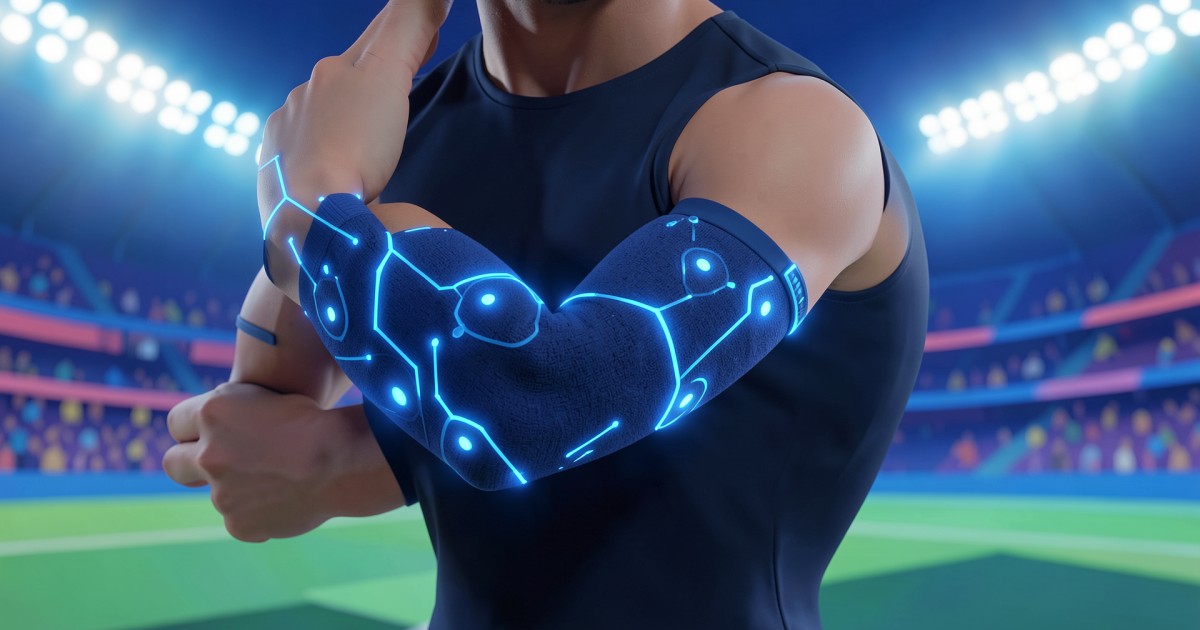
In 2026, one in three adults worldwide owns a wearable that tracks more than steps—it predicts heart attacks, manages diabetes, and even prevents workplace injuries. With global wearable shipments hitting 560 million units last year and revenues topping $185 billion, the race is on to turn raw sensor data into life-saving insights. This article unpacks the technologies, use cases, and market forces redefining wearable technology in 2026—and how forward-looking companies can capitalize.
Sensor Fusion & AI: The Engine Behind 2026 Wearables
Modern wearables no longer rely on a single photodiode. Instead, they fuse multiple biosignals—PPG sensors, ECG electrodes, galvanic skin response, and 9-axis IMUs—into edge-AI models that run locally on sub-50 mW chips. The result: FDA-cleared continuous glucose monitoring patches that eliminate finger pricks, and ECG wearables that detect atrial fibrillation with 98.5 % sensitivity.
Key sensor trends powering 2026 devices
- Multi-wavelength PPG sensors now measure hydration, blood pressure, and lactate—expanding beyond heart-rate.
- Bone-conduction MEMS microphones enable open-ear voice assistants while doubling as in-ear temperature monitors.
- Smart textiles woven with conductive polymers deliver medical-grade haptic feedback for posture correction and rehab.
- Galvanic skin response arrays in smartwatches predict panic attacks 3 minutes before onset, powering mental-health apps.
According to March 2026 Gartner note, edge-AI chipsets for wearables dropped to $1.80 per unit, making on-device inference the default, not a luxury.
From Hospital to Home: High-Impact Use Cases Today
1. Cardiology at the wrist
Apple, Samsung, and Huami shipped 92 million ECG-enabled wearables in 2025; clinicians reviewed just 7 % of tracings—AI triaged the rest. Hospital readmissions for heart-failure patients using wearables fell 27 % within six months (JAMA Cardiology, Feb 2026).
2. Workplace safety & exoskeletons
Amazon and Hyundai deploy upper-body exoskeletons with embedded fall detection and environmental gas sensors. Lost-time injuries dropped 38 % across pilot sites, saving an estimated $1,200 per worker per year.
3. Senior care without cameras
Bluetooth LE beacons sewn into clothing provide ambient computing presence detection, preserving privacy while alerting caregivers of wandering events within 8 seconds.
4. Pediatric sleep tracking
AI-powered sleep tracking rings for children predict sleep-apnea episodes with 91 % accuracy, replacing costly polysomnography in 60 % of cases.
2026 Hurdles & the Road Ahead
Battery life vs. data hunger
Consumers expect 7-day battery yet demand always-on health monitoring. New solid-state micro-batteries deliver 30 % higher density, but supply-chain constraints push lead times to 22 weeks.
Regulatory maze
FDA’s new “Software as Medical Device” update (effective Jan 2026) requires real-time algorithm version control—adding roughly $2.4 M to certification budgets.
Data interoperability
HL7® FHIR 6.0 released this month mandates open APIs, yet 62 % of wearable makers still lock data behind proprietary clouds, hindering hospital EMR integration.
Future-proofing with ambient computing
ABI Research forecasts that by 2029, 43 % of wearables will delegate compute to nearby smart-home hubs, cutting device power draw by 55 % and extending battery life to two weeks.
How Webyug Can Help
Webyug Infonet LLP accelerates wearable innovation with end-to-end expertise in Bluetooth BLE, edge-AI, and cloud-native digital health platforms. From concept to FDA pre-submission, our cross-functional teams deliver secure, scalable, power-optimized wearables that integrate seamlessly with hospital EMR and consumer apps.
- Bluetooth Beacon Solution — Ultra-low-power beacon firmware for wearable tags with health-data broadcasting.
- Custom IoT Solution — Full-stack wearable device development including PPG, ECG, and sensor-fusion algorithms.
- Asset Tracking Solution — Real-time location of wearable devices in hospitals and factories.
- Contactless Employee Management — Workforce safety wearables with fall detection and haptic alerts.
- Internet of Things — End-to-end wearable IoT ecosystem development, from edge to cloud.
Conclusion
Wearable technology in 2026 is no longer about counting steps—it is an integral layer of digital health, workplace safety, and ambient computing. Organizations that fuse clinical-grade accuracy with consumer-grade experience will capture outsized value in a $185 billion market growing at 14 % CAGR. Partnering with an experienced IoT enabler like Webyug ensures your next wearable is secure, compliant, and future-ready—schedule a free consultation today to start building.