
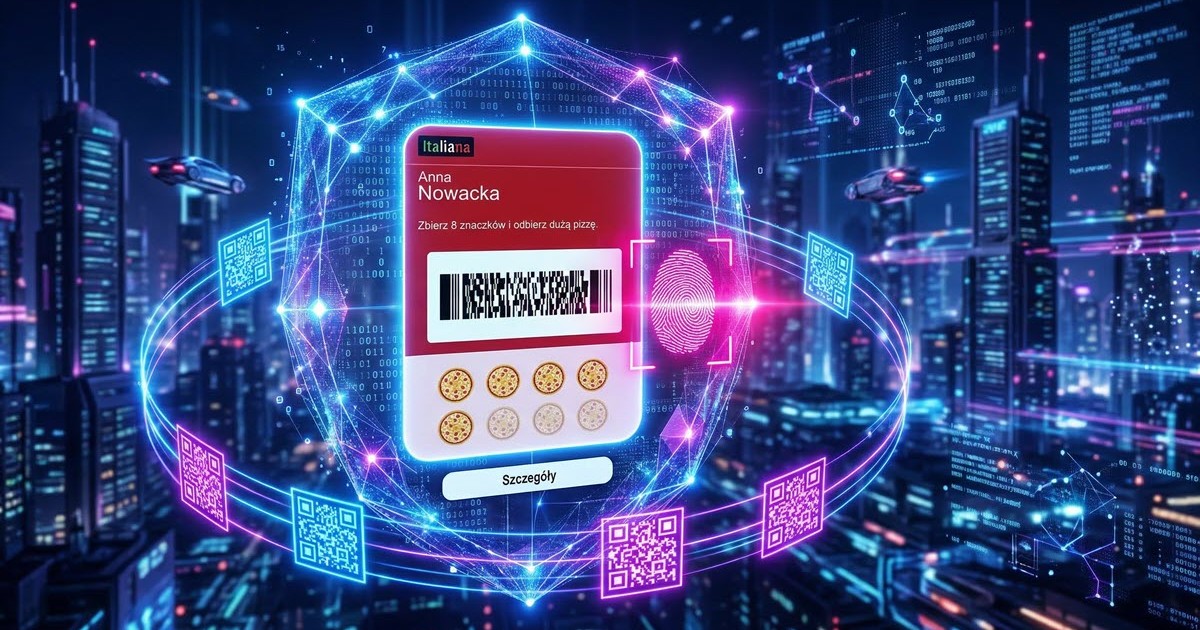
Plastic loyalty cards are disappearing fast—81 % of global consumers now store at least one digital pass in their mobile wallet (Juniper 2026). Yet every tap, scan, or geo-pushed coupon opens a new attack surface. In the first quarter of 2026 alone, IBM X-Force logged a 47 % spike in credential-stuffing attempts against retail wallet APIs. If your brand is betting on mobile-first loyalty, the next breach headline could be yours.
Why Mobile Wallet Loyalty Is a Prime Target
Mobile passes sit at the intersection of three hacker favorites:
- Personal data—name, e-mail, geo-history, purchase graph
- Stored value—points balances, gift cards, tier benefits
- Always-on location—Bluetooth beacons, NFC hand-off, GPS fencing
Compromise one pass template and attackers can clone thousands of barcodes, drain loyalty currencies on grey-market exchanges, and weaponize push notifications for phishing. The average cost of a retail loyalty breach in 2026: USD 3.1 million plus a 12 % churn rate among high-tier members (Ponemon).
Top Attack Vectors in 2026
- Dynamic Pass Manipulation—hackers intercept API responses that refresh points balances and inject inflated numbers before the pass reloads.
- QR/Barcode Replay—static codes screenshot-shared on social media get redeemed multiple times before the POS notices.
- Proximity Spoofing—rogue Bluetooth beacons broadcast stronger signals to trigger wallet notifications that lure victims to fake landing pages.
- Supply-Chain Template Poisoning—a compromised third-party graphics library embeds skimming code inside birthday-themed passes.
Zero-Trust Architecture for Wallet-Based Loyalty
Traditional perimeter thinking fails when loyalty data lives on the customer’s device. A zero-trust model verifies every request—whether from an iPhone in Delhi or a POS terminal in Dubai.
Core Controls to Deploy Now
- Pass-Signing Certificate Rotation—automatically cycle Apple/Google certificates every 30 days and pin the public key in your mobile SDK.
- Tokenized Barcodes—generate short-lived, single-use QR codes (TTL ≤ 90 seconds) tied to a hardware-backed device nonce.
- Continuous Device Health Checks—before refreshing a pass, query the handset’s SafetyNet or DeviceCheck to screen for jailbreak, rooted bootloaders, or developer mode.
- Micro-segmented APIs—route balance-inquiry calls through a read-only replica with rate limits 10× stricter than update endpoints.
Encryption & Key Hygiene
Encrypt PII fields at the attribute level using AES-256-GCM with unique, random IVs per field. Store keys in an HSM-backed KMS and enforce TLS 1.3 with enforced forward secrecy on every hop—including CDN edge nodes. 2026 audits show that brands adopting attribute-level encryption reduce exfiltration impact by 63 % versus row-level only.
Real-World Use-Cases: Secure & Seamless
1. Geo-Push Birthday Rewards—Without Leaking Location
Instead of broadcasting precise GPS, implement geohash fuzzing (± 200 m) and deliver encrypted payloads that only the in-store gateway can decrypt. Members still receive the “Happy Birthday” cupcake coupon, but stalkers can’t intercept coordinates.
2. Instant Tier-Upgrades on the POS
When a customer crosses the spend threshold, the POS sends a signed JWT to the loyalty engine. The engine returns an updated pass manifest and triggers a silent push. Because the JWT is signed with the store’s unique private key, even if traffic is sniffed, fraudsters can’t replay it at another location.
3. Family Pooling—Safely Sharing Points
Rather than adding sub-members inside the same pass (which leaks data), issue individual companion passes linked through a blockchain-backed Merkle tree. Each redemption creates an immutable hash, preventing double-spend across family accounts.
2026 Roadmap: Biometrics, Quantum, & Beyond
Biometric-Bound Passes
Google’s IdentityCredential and Apple’s Secure Enclave now let loyalty apps bind a pass to the owner’s biometric template. Expect 38 % of new loyalty apps to adopt biometric unlock by Q4 2026 (Gartner).
Quantum-Safe Signatures
NIST’s first quantum-resistant algorithms (CRYSTALS-Dilithium) hit production this year. Pilot programs show a <8 ms overhead on pass generation while future-proofing against harvest-now-decrypt-later attacks.
AI-Powered Fraud Scoring
Combine device telemetry (accelerometer, gyro, touch pressure) with purchase history to build behavioral models. Anomalous patterns—like a loyalty account suddenly scanned 500 km away—auto-freeze the pass and request step-up auth.
How Webyug Can Help
Webyug Infonet engineers secure, cloud-native loyalty ecosystems that merge mobile-wallet convenience with military-grade protection. From cryptographic pass-signing to real-time fraud analytics, our teams embed zero-trust principles at every layer.
- Loyalty Solution — end-to-end wallet-pass platform with tokenized barcodes, rotating certs, and device attestation
- Membership Card — biometric-bound digital cards, geo-fencing, and proximity-based offers secured by AES-256-GCM encryption
Conclusion
Mobile wallet loyalty is no longer a “nice-to-have”—it’s the battleground where customer love and cybercrime collide. Brands that layer zero-trust architecture, short-lived tokens, and quantum-ready encryption onto their passes will enjoy both safer data and stickier engagement. Ready to lock down your loyalty program without killing the magic? Talk to Webyug today and turn every tap into trust.